Affordable and Experienced DUI Lawyer in Ontario
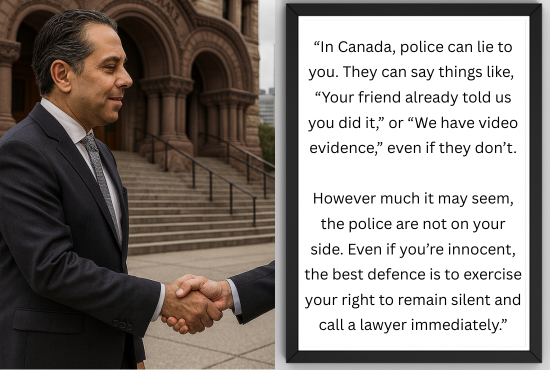
Tahir Cheema | California & Ontario Bars | Founder of Cheema Law


Experienced and Affordable DUI Lawyer in Ontario
Our cities criminal justice system is one of the busiest in Canada, with courtrooms at Old City Hall, 361 University Avenue, and across the GTA processing hundreds of criminal matters daily. For someone facing charges, the stakes are immediate and serious – freedom, reputation, and future opportunities are all on the line. In this environment, retaining an experienced lawyer is not just advisable, it’s critical.
Tahir Cheema | California & Ontario Bars | Founder of Cheema Law
-
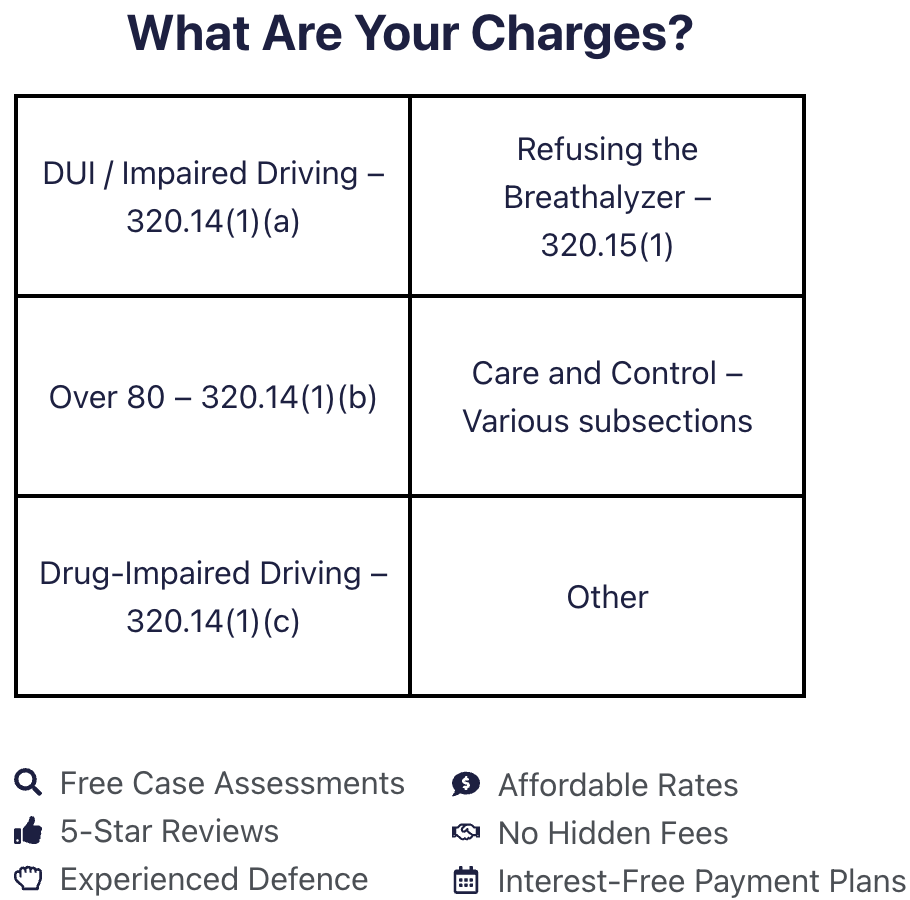
Free Case Assessments -
5-Star Reviews -
Experienced Defence
-
Affordable Rates -
No Hidden Fees -
Interest-Free Payment Plans
A defence lawyer’s role extends far beyond courtroom appearances. From the moment of arrest or police contact, strategic legal guidance can shape the trajectory of a case. This includes ensuring compliance with Charter rights, advising on bail conditions, and preparing a defence that challenges the prosecution’s evidence – whether that evidence is physical, documentary, or based on witness testimony.
The city’s diverse neighbourhoods, from Queen Street & Bathurst to the financial district near Bay Street & King Street, all fall under the jurisdiction of Ontario’s criminal courts. Within these venues, counsel must navigate both statutory law and complex procedural rules, while also understanding the local courtroom culture. The ability to anticipate how a Crown prosecutor or judge might view an aggravating factor or mitigating factor can significantly influence outcomes.
This article provides a detailed examination of how criminal defence lawyers operate, what qualifications and services they offer, how costs are structured, and what strategies are available to those accused of offences ranging from theft and impaired driving to serious indictable offences.
Education & Qualifications
The qualifications of a any lawyer begin with an accredited law degree, followed by successful completion of the Ontario Bar Admission process, which includes the Barrister and Solicitor examinations and a period of articling or an approved law practice program. Many leading defence lawyers further distinguish themselves with memberships in organizations such as the Criminal Lawyers’ Association (CLA) or the Canadian Bar Association’s Criminal Justice Section, and some hold additional certifications in areas like forensic evidence analysis or appellate advocacy.
Top-tier defence counsel often build reputations through consistent results in contested matters, including bail hearings, Charter applications, and high-profile jury trials. Experience with complex case types – such as fraud, drug trafficking, weapons offences, and homicide – equips lawyers to handle both straightforward and intricate prosecutions.
Common Services Offered
A qualified criminal defence lawyer may provide:
| Service Area | Examples of Work |
|---|---|
| Pre-Charge Advice | Consulting with individuals under investigation, advising on police interviews, preserving evidence |
| Bail Representation | Conducting bail hearings, negotiating with the Crown for consent releases, addressing surety requirements |
| Trial Defence | Cross-examining witnesses, challenging circumstantial evidence, presenting expert testimony under the Mohan Test |
| Appeals & Post-Conviction | Filing appeals, seeking record suspensions, arguing stay of proceedings in delay cases under Section 11(b) of the Charter |
| Specialized Defence | Addressing allegations under the Youth Criminal Justice Act, defending against regulatory offences with quasi-criminal consequences |
Local Considerations
In Toronto, where court locations such as Old City Hall and 2201 Finch Avenue West each have distinct scheduling patterns and judicial rosters, a lawyer’s familiarity with specific venues can be an asset. For example, counsel who regularly appears at University Avenue & Queen Street courts may have deeper insight into procedural preferences for complex indictable matters, while those at Scarborough court may be adept at managing higher-volume dockets.
Integrating Client Needs with Legal Strategy
Beyond the technical work, effective defence lawyers integrate client priorities into case strategy. This might mean pursuing a plea bargain to avoid the risk of a lengthy custodial sentence, or mounting a full trial defence where the Crown’s evidence is weak or obtained in breach of Section 8 Charter protections. In all instances, the goal is to secure the most favourable result while safeguarding the client’s rights at every stage of the criminal process.
Cost Considerations & Fee Structures
The cost of hiring a lawyer can vary widely depending on the seriousness of the charge, the complexity of the case, and the lawyer’s experience. While some legal matters, such as a straightforward summary conviction offence, may involve modest legal fees, serious indictable offences like armed robbery or manslaughter can require hundreds of hours of preparation, expert consultations, and multiple court appearances.
Common Fee Structures
| Fee Type | Description | Typical Use Case |
|---|---|---|
| Hourly Rate | Client is billed for every hour of legal work, including meetings, research, drafting, and court appearances. Rates in Toronto often range from $200–$600+ per hour, depending on experience. | Complex trials, appeals, or unpredictable litigation. |
| Block/Flat Fee | A set price for a defined stage or the entirety of a case. May be offered for bail hearings, first appearances, or guilty pleas. | Predictable procedural steps with limited court time. |
| Retainer | An upfront payment from which fees are drawn as work is completed. Retainer amounts vary based on anticipated case scope. | Most criminal defence files, especially when trial is expected. |
Factors Affecting Cost
-
Charge Severity – A drug trafficking case involving a Feeney warrant entry and multiple accused will demand more resources than a simple theft under $5,000.
-
Evidence Complexity – Matters involving forensic evidence, expert witnesses, or extensive disclosure from police and the Crown require additional preparation.
-
Court Location – Trials at downtown courthouses such as University Avenue & Queen Street may involve longer court days compared to satellite locations like Scarborough or North York.
-
Length of Proceedings – A two-day bail hearing is less costly than a three-week jury trial.
-
Special Applications – Charter motions, such as an O’Connor application for third-party records or a Section 24(2) application to exclude evidence, add significant preparation time.
Payment Considerations
Clients are encouraged to discuss all fee structures in writing before retaining counsel. Many defence lawyers offer initial consultations to review case details, explain possible defences, and outline anticipated costs. Legal Aid Ontario may cover fees for individuals who meet income and case-type eligibility requirements, particularly for serious charges where liberty is at risk.
For clients funding their own defence, some firms provide staged payment plans to manage the financial burden. It is essential to weigh cost against capability – a lawyer’s track record in similar matters often justifies a higher fee, especially when the potential consequences include imprisonment, a criminal record, or loss of professional licences.
Key Areas of Criminal Defence Practice
A lawyer must be ready to defend clients against a broad range of allegations. While each case is unique, most fall into defined categories under the Criminal Code of Canada or related federal and provincial statutes. The following are the primary areas in which defence counsel commonly operate.
Assault and Violent Offences
Charges such as assault, assault with a weapon, and aggravated assault can arise from domestic disputes, altercations in public spaces, or incidents involving security personnel or police. These cases often turn on witness credibility and the presence (or absence) of corroborating evidence like video recordings or forensic evidence. Defence strategies may include challenging mens rea (intent), raising self-defence, or highlighting inconsistencies in testimony.
Drug-Related Offences
Downtown and transit corridors have seen consistent police activity targeting alleged drug trafficking and possession for the purpose of trafficking. Defending such cases may involve scrutinizing the legality of searches under Section 8 of the Charter, challenging the scope of a search warrant, or questioning the continuity of exhibits. High-value seizures frequently lead to proceeds of crime allegations, adding a financial component to the defence.
Impaired and Dangerous Driving
Impaired driving cases, including those involving drugs, alcohol, or both, can have immediate consequences such as licence suspension and vehicle impoundment. Lawyers may challenge breath sample admissibility, the operation of approved screening devices, or raise curative discharge arguments in suitable cases. Dangerous driving and fail-to-remain charges are also common, particularly following collisions on major arteries like the Gardiner Expressway or Don Valley Parkway.
Property and Fraud Offences
From theft under $5,000 at retail stores to large-scale fraud against corporations or financial institutions, property offences encompass a wide spectrum. These cases often involve documentary evidence, financial records, and digital data. Effective defence may include retaining forensic accountants, contesting circumstantial evidence, or negotiating restitution as part of a resolution strategy.
Homicide and Serious Indictable Offences
Toronto defence lawyers handling manslaughter or first-degree murder cases face some of the most complex and high-stakes litigation in the country. These cases may involve multiple accused, extensive forensic testing, and voluminous disclosure. Strategies can include voir dire hearings to exclude statements, expert testimony on cause of death, and careful jury selection to address potential biases.
Regulatory and Quasi-Criminal Matters
Beyond traditional criminal charges, Toronto lawyers also defend clients against offences under provincial legislation, such as the Highway Traffic Act or environmental regulations. These quasi-criminal cases still carry penalties like fines, licence suspensions, or even jail, and require a detailed understanding of both statutory interpretation and procedural law.
Common Legal Terms Explained for Clients
For many clients, the first meeting with a criminal lawyer involves a flood of unfamiliar terminology. Understanding key terms can help clients follow their case, make informed decisions, and appreciate the strategies their lawyer is using. Below are some of the most frequently encountered terms in Toronto criminal practice, explained in plain language.
Acquittal
A formal finding by the court that the accused is not guilty of the charges. An acquittal can occur after a trial or when the Crown withdraws charges due to insufficient evidence.
Bail Hearing
A court proceeding to determine whether an accused should be released from custody before trial. In Toronto, these hearings often take place at Old City Hall or 1000 Finch Avenue West and may involve a surety – someone who supervises the accused in the community.
Circumstantial Evidence
Evidence that relies on an inference to connect it to a conclusion of fact, such as fingerprints found at a scene. Lawyers may challenge such evidence if alternative explanations are plausible.
Disclosure
The package of evidence the Crown must provide to the defence, including police notes, witness statements, and forensic evidence. In Ontario, this is a critical step in preparing a defence.
Indictable Offence
A serious criminal charge that carries the potential for a higher maximum sentence. Examples include manslaughter, aggravated assault, and trafficking in controlled substances.
Plea Bargain
An agreement between the defence and the Crown where the accused pleads guilty to a lesser charge or receives a lighter sentence in exchange for resolving the case without trial.
Voir Dire
A “trial within a trial” to determine the admissibility of certain evidence, such as a statement to police or the results of a search.
Section 24(2) Application
A Charter motion seeking to exclude evidence obtained in a manner that violated the accused’s rights, for example through an unlawful search under Section 8 of the Charter.
By breaking down these terms early in the lawyer–client relationship, a criminal defence lawyer helps ensure the client is not just a passive observer but an active participant in their own case.
Legal Landscape & Court Locations
Toronto’s criminal court system is spread across multiple venues, each serving distinct geographic areas and handling specific types of matters. Understanding where a case will be heard can influence legal strategy, scheduling, and even how a defence lawyer approaches negotiations with the Crown.
Downtown
-
Old City Hall (60 Queen Street West) – One of the busiest criminal courthouses in Canada, dealing with a high volume of bail hearings, trials, and guilty pleas for offences ranging from shoplifting to serious indictable matters.
-
Superior Court of Justice at 361 University Avenue – Handles jury trials and complex criminal cases, including homicide, large-scale drug prosecutions, and lengthy fraud trials.
-
College Park Courts (444 Yonge Street) – Primarily deals with bail, remand, and provincial offences.
Regional Courthouses Serving Toronto
-
Scarborough (1911 Eglinton Avenue East) – Manages criminal cases originating from the city’s east end.
-
North York (1000 Finch Avenue West) – Handles matters from the northern districts, often high-volume dockets with a mix of summary and indictable charges.
-
Etobicoke (2201 Finch Avenue West) – Services the west end, including impaired driving and assault matters from areas near Pearson International Airport.
Youth and Specialty Courts
-
311 Jarvis Street – The primary Youth Court in Toronto, focusing on matters under the Youth Criminal Justice Act.
-
Mental Health Court (1000 Finch Avenue West) – Addresses cases involving accused persons with mental health issues, integrating treatment plans into bail and sentencing.
Geographic and Cultural Considerations
Toronto’s major intersections, such as Yonge & Dundas or Bathurst & Queen, often feature prominently in police occurrence reports and witness statements. Defence counsel familiar with these areas can more effectively challenge assumptions about sightlines, crowd density, and environmental factors in identification evidence cases.
Why Court Location Matters
Court culture varies between venues. For example, a plea bargain negotiated at Old City Hall may involve a different Crown policy than one in Scarborough. Judges’ scheduling preferences and tolerance for lengthy Charter applications also differ, making local knowledge a tangible advantage for defence lawyers.
Author Bio: Tahir Cheema
Criminal Defence Lawyer | California & Ontario Bars
Tahir Cheema is a skilled and experienced criminal defence lawyer licensed in both California and Ontario. With a deep understanding of both American and Canadian criminal law systems, Tahir brings a rare cross-border perspective to his practice. He offers strategic, well-researched defence, finding ways forward that many overlook. He is the founder of Cheema Law, a criminal defence firm committed to relentless advocacy and clear, practical legal advice for individuals facing criminal charges.

Schedule a Free Consult.
To schedule a free consultation click the button below and choose a time that works best for you.